
What You Can Do In Your Home to Support Earth Day
Apr 21, 2023
Household Cleaning-Ways to green clean.
In the 19th century, people cleaned with a few everyday materials, like vinegar. Nowadays, we have store shelves filled with a plethora of toxic cleaning agents.
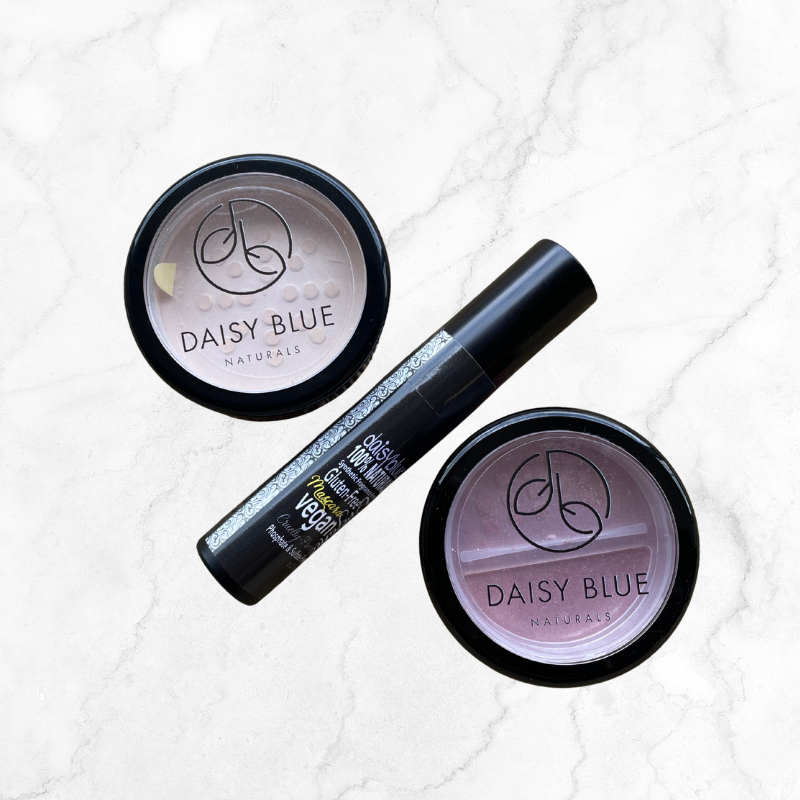
- Use Daisy Blue Naturals handcrafted soaps for cleaning hands. Avoid anti-bacterial soaps at all costs. These soaps contain triethanolamine and have been proven to cause more harm than good because they kill beneficial bacteria as well as the bad stuff and may be leading to super-strains of bacterial resistance to antibiotics. All of our soaps are buy two, get one free!
- Hot soapy water using DB Clean (featured in the next LOVE subscription box) kills food-borne germs! It can also be used to wash your hands, cutting boards, knives, and any surfaces that have come into contact with eggs or raw meat. Wash for at least 20 seconds.
- Baking soda is a mild abrasive. It doesn’t scratch surfaces and it deodorizes. Baking soda can be mixed with the soap/water blend above or mixed with white vinegar.
- With more stainless-steel appliances being sold today, the need for a natural cleaner is needed. Use baking soda and scoop it onto a damp sponge. Rub the soda on the metal until the surface is clean. Rinse well with warm water and polish dry with a soft cloth. For a quick clean, use vinegar and water, then polish with the cloth.
- White Vinegar is an acid with mild-germicidal properties. It can be used to get rid of mold and mildew, cut grease, and clean glass.
- Lemon works much like vinegar but is more difficult to use.
- Vitamin E Body Oil can add shine to wood furniture. Use ½ a teaspoon in a quarter cup of vinegar or lemon juice.
- If you are dusting, use a damp cloth. No need for toxic sprays.
- Salt will clean copper pots and pans and is good for silver too. Mix with equal amounts of vinegar.
- Sponges and rags instead of paper towels. Sponges can be washed in vinegar and used again.
Improve air quality in your home.
- Plants! All plants work, however, the most effective plants include aloe vera, English ivy, fig tree, potted chrysanthemum, and spider plants. Stop on in our Albert Lea boutique to meet our plants, Vera, Chuck Norris, Gertie, and Tony.
Clean drinking water.
In a world of bottled water, there is a lot of debate on what is healthier. The Natural Resources Defense Council has been reporting for the last 10 years that bottled drinking water is not any safer than tap– and in some cases tap. Tap water does not leave behind a flood of non-biodegradable and rarely recycled plastic containers, and it most usually flows to us from an energy-efficient infrastructure – no trucks or ships required. Our environment does not need the strain of additional plastic bottles. Tap water is regulated more consistently. Environmental Protection Agency rules apply to every public water system in the Country. In addition, you are entitled to the “Water Quality Reports” – also called “Consumer Confidence Reports”, which identify the source of the water and the contaminants found in it. Bottled water companies are under no regulation to report this to you. In fact, most bottled water companies are owned by the same organizations selling soda and other corn syrup-based drinks. Aquafina is a Pepsi brand. Dasani is Coca-Cola. Both of these brands come from the same source as tap water. Perrier, Pellegrino, and Poland Spring are Nestle. If you are still unsure about your tap water, check out the website below to learn more about filters for your water system.
Become energy efficient!
- Unplug appliances you seldom use, like an extra refrigerator. You may save over $10 per month.
- Unplug your chargers when you are not charging.
- Use power strips to turn off TVs, stereos, and other equipment. Even when these items are on ‘standby’, consumption can be equal to a 100-watt lightbulb that is on continuously.
- Set your computer to hibernate after 30 minutes of non-use, and to sleep mode for longer periods of inactivity. The ‘hibernate’ mode turns the computer off in a way that doesn’t require you to load everything when you switch it back on. Setting your computer to hibernate instead of shutting it down saves energy and is more time efficient. When you are done for the day (or the weekend) shut it down.
- Control your temperature! INVEST in a Nest! I love my Nest thermostats and can control them from anywhere. Otherwise, set your thermostat to 68°F during the day, and 55°F when going to bed. During the summer, set your thermostat to 78°F or higher.